Stock Name:PROYA

Stock Code:603605

Language
Search for more information about Proya
Select language version

Common Ingredients

  • Control of Substances of Concern

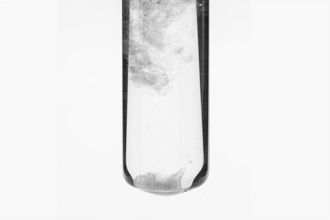
    Due to natural occurrence in raw materials or generation/introduction during processing, transportation, or storage, some products may contain technically unavoidable trace amounts of risk substances, such as impurities, residues, and degradation products.

    We enforce stringent quality control over raw materials and manufacturing processes to minimize impurity levels in our products. Safety assessments confirm that exposure levels pose no risk to human health.

    Typical risk substances include benzene, mercury, and others.

    Benzene

    Benzene may be present as a residue or degradation product in certain raw materials but is not permitted as an intentional cosmetic ingredient.

    We have implemented strict quality control measures to maintain residual benzene levels within safe limits.

    Mercury

    Mercury is a heavy metal, and mercury and its compounds are prohibited ingredients under Chinese cosmetics regulations.

    We do not add mercury or its compounds to our products and strictly control its carryover from raw materials to ensure levels are well below regulatory limits.

  • Fragrance

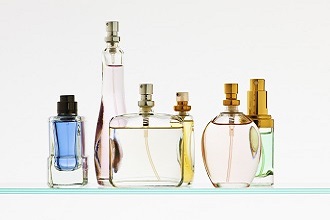
    Smell, memory, and emotion are all processed in the brain's limbic system, allowing scents to be linked to memories and emotions. Therefore, the scents in everyday products can both create entirely new emotional memories and evoke unique associated recollections.

    We have always been committed to combining the artistry of fragrance with scientific expertise, hoping that people around the world will experience our signature scent when using our products in their daily lives. This fragrance, unique to us, not only smells wonderful but also helps consumers relieve stress and relax when dealing with daily routines, making their lives happier.

    The Art of Fragrance Creation and Compliance

    Our professional fragrance development team collaborates with world-renowned fragrance houses to meticulously craft a unique scent for each product. By partnering with the world’s leading fragrance houses, we ensure our fragrance ingredients meet the highest quality standards.

    Are you familiar with some scents?

    Sometimes we need to develop specific scents for our products, and we have certain perspectives on some of them.

    For example, natural musk can deliver a long-lasting aroma. However, for animal welfare reasons, we do not use natural musk.

    Unscented Products—Meeting Your Needs

    While more consumers are embracing fragrances, some still prefer unscented options. That's why we offer a dedicated line of fragrance-free products for your selection.

  • Microplastics

    Background

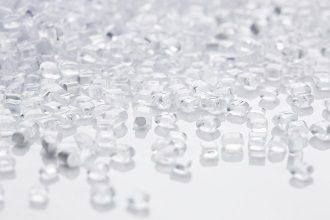
    Microplastics are solid synthetic polymer particles, no larger than 5 mm in diameter, that are insoluble in water and non-biodegradable. They can enter aquatic systems through product use, posing a potential threat to marine ecosystems. These particles originate from various sources, primarily from the breakdown of larger plastic items in water (e.g., plastic bags, bottles, and tires), the shedding of synthetic fibers from textiles during washing, and plastic pellets used in industrial products.

    Protect the Earth

    As concerns rise about the potential harm of microplastics to marine environments, we are committed to finding new ways to improve our product packaging and formulations, protecting the Earth's environment and marine ecosystems on which we all depend.

    Our Actions

    Microplastic exfoliating beads are commonly used in beauty and personal care products to remove dead skin cells from the skin's surface. We have eliminated plastic microbeads, which serve as skin abrasives, from all our cleansing formulations. They have been replaced with natural, biodegradable alternatives such as fruit shell powder and cellulose. This ensures effective exfoliation while preventing plastic microparticles from entering water systems during rinsing.

  • Preservatives

    Preservatives are ingredients that inhibit microbial activity, helping to keep products fresh and prevent spoilage. They are typically synthetic, although some are naturally derived. We use preservatives to protect our products from bacteria, yeast, mold, and other microorganisms, ensuring product stability. When selecting preservatives, we consider factors such as product positioning, target audience, product type, usage method, and storage conditions. We apply the optimal preservation strategy in our products or develop preservative-free products when specific needs arise. In addition to complying with applicable laws and regulations, we strictly control the usage levels. This ensures the safe and responsible use of preservatives.

    Why Are Preservatives Necessary?

    Much like food, household and personal care products can spoil without preservatives, especially when stored in warm, humid environments that promote the growth of bacteria, yeast, and mold. This accelerates deterioration and reduces product efficacy. Preservatives maintain freshness, supporting the safe use and storage of the product.

    Why Are Different Preservatives Used in Different Products?

    Preservatives vary in their antimicrobial efficacy, offering different levels of protection against bacteria, yeast, and mold. Our selection process involves a comprehensive evaluation of factors such as product positioning, manufacturing, formulation properties, usage and distribution methods, storage conditions, and the synergistic effects of combined preservatives.

    Are Preservatives Safe?

    All preservatives we use have undergone rigorous safety assessments, and their concentrations are strictly controlled. We strictly adhere to national laws and regulations to ensure product quality and safety through the use of appropriate preservative levels. Furthermore, we rigorously monitor the compatibility of every preservative within its formulation to guarantee safe product usage.

    Preservatives We Do Not Use

    We do not use formaldehyde as a preservative in our products, nor is it used to preserve our raw materials. Methylisothiazolinone (MIT) is a common preservative in the personal care industry. However, due to concerns regarding its potential for skin irritation and allergic reactions, all products developed by us since 2021 are free from both "formaldehyde releasers" and "methylisothiazolinone."

    What Are Formaldehyde Releasers?

    Formaldehyde releasers provide a continuous, trace supply of formaldehyde throughout a product's shelf life. This slow, low-level release effectively kills or inhibits the growth of bacteria, yeast, and mold within the formulation.

    What Is Methylisothiazolinone?

    Methylisothiazolinone maintains product stability by inhibiting the growth of bacteria, yeast, and other microorganisms.

    Preservatives We Use

    Phenoxyethanol. It is one of the most widely used preservatives in personal care products.

    Use of Phenoxyethanol in Our Products

    We use phenoxyethanol in select personal care products and clearly identify it on our ingredient labels. This ensures products remain protected from microbial contamination without posing a health risk to consumers.

    Is Phenoxyethanol Safe?

    Phenoxyethanol is a widely used cosmetic preservative approved for use in major markets including China, the USA, the European Union, ASEAN, Japan, and the Republic of Korea. According to the 2016 safety assessment (SCCS/1575/16) by the European Union's Scientific Committee on Consumer Safety (SCCS), phenoxyethanol is safe for all consumer groups—including infants and children—when used as a preservative at a maximum concentration of 1%. .

    We select preservatives tailored to the specific characteristics of each product; phenoxyethanol, for instance, provides excellent preservation in mild formulations. We continuously monitor the latest scientific research and regulatory updates regarding phenoxyethanol and other preservatives to ensure our product safety standards are always grounded in the best available scientific evidence.


Product ingredient disclosure
The time of product ingredient disclosure lags behind the requirement. If an inconsistency exists, please refer to the registration information at the National Medical Products Administration. Here's the links to see the detailed product registration information:
China Specialty Cosmetics Registration Information
China General Cosmetics Recordation Information