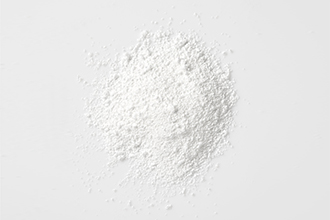
Widely present in the human body, hyaluronic acid is a glycosaminoglycan that constitutes the extracellular matrix. It is most abundant in the dermis and synovial fluid, performing vital physiological roles such as water retention and lubrication.
Source
Hyaluronic acid is now primarily produced through microbial fermentation.
Purpose
Hyaluronic acid is a common moisturizing ingredient in the cosmetics industry.
Due to its unique water-retention and lubricating properties, as well as its excellent biocompatibility with human tissues, it is widely used in cosmetics, health foods, aesthetic surgery, and pharmaceuticals.
Efficacy
High-molecular-weight hyaluronic acid provides moisturizing and water-locking functions. When applied, it forms a film that slows evaporation, leaving the skin soft and elastic.
Reduced production of hyaluronic acid in the skin leads to facial hollowness and the appearance of wrinkles. As such, hyaluronic acid is widely used in medical aesthetics for filling wrinkles and volumizing the face.
Applications
It is commonly used in various skincare products for its moisturizing properties.


 Language